

If your pigmentation keeps coming back no matter what you try, you’re not alone. Here’s why melasma behaves differently in Malaysia’s climate, and the gentle, progressive approach that actually keeps skin clear long-term.
Key takeaways
- Melasma is chronic, recurrent and highly trigger-sensitive, it reacts to heat, hormones and inflammation, not just UV.
- The pigment sits at several depths at once, which is why aggressive, one-size-fits-all lasers often plateau or make it worse.
- In Malaysia, constant ambient heat plus cumulative sun exposure keep stimulating pigment, so treatment has to reduce ongoing stimulation, not just remove existing pigment.
- Gentle, progressive, doctor-led care works better long-term than the “strongest” or fastest laser.
Can melasma be cured permanently? No, it’s chronic and recurrent, so it’s managed, not cured. Because the pigment sits at several depths and is triggered by heat, hormones and sun, lasting results come from gentle, progressive, doctor-led care that fades pigment while keeping inflammation to a minimum, not from the strongest or fastest laser.
How does melasma actually behave?
Unlike ordinary dark spots, sunspots or post-acne marks, melasma behaves very differently because of its complex underlying nature. One of the most common mistakes is treating it as a standard pigment problem. To manage it well, it helps to recognise that melasma is:
Chronic & recurrent
It has a natural biological tendency to return if the underlying triggers are left unmanaged.
Highly trigger-sensitive
It responds rapidly to heat, hormonal fluctuations and vascular inflammation.
Multilayered
The pigment often sits at varying depths within the skin at the same time, from the superficial epidermis down to the deeper dermis. This is why some aggressive treatments seem to work at first, then plateau or even make the pigmentation worse.
Why is melasma harder to treat in Malaysia?
Here the challenge isn’t just daily UV, it’s the combination of constant ambient heat and cumulative sun exposure, both of which continuously stimulate the skin’s pigment-producing cells (melanocytes). Even with diligent skincare, melasma can still be triggered because:
- Heat alone stimulates pigment, cooking, outdoor activities, even a hot environment can activate melanocytes without direct sunlight.
- Cumulative daily exposure adds up, brief, repeated moments of sun throughout the day build up significantly over time.
- Sunscreen is hard to reapply consistently, full protection in a tropical climate needs regular reapplication, which is tough to maintain.
Why do some melasma treatments make pigmentation worse?
A pattern we see often: a treatment promises fast, dramatic results. Your dark spots lighten slightly at first, then the pigmentation returns within weeks, sometimes darker than before. This happens when a treatment focuses purely on aggressively burning away surface pigment while ignoring what’s happening underneath.
Melasma-prone skin is extremely sensitive to irritation. When it’s subjected to harsh peeling or excessive heat, it reacts by producing more pigment to protect itself. Stubborn pigmentation responds far better to gentle, controlled, progressive steps.
“The biggest mistake we see is over-treating melasma with strong lasers. With this condition, gentle and consistent almost always beats aggressive and fast.”
Dr Ariel Chang (MD), reviewing physician
What’s the best treatment for melasma in Malaysia?
Instead of looking for the “strongest” or fastest laser, a more useful question is: what approach will keep my skin clear and stable long-term? At Dr. A Clinic, a successful plan focuses on fading pigment gradually, targeting the right depths of the skin, and keeping inflammation to an absolute minimum.
We use advanced laser technologies thoughtfully, based on your skin’s condition on the day rather than as one-size-fits-all shortcuts. For pigmentation such as melasma, sunspots, freckles and uneven tone, carefully selected technologies like the Fotona® Pico Laser can help break down excess pigment while minimising unnecessary heat and irritation. Here’s how the main approaches fit together:
| Approach | What it does | Downtime | Best for |
|---|---|---|---|
| Daily broad-spectrum SPF (reapplied) | Reduces UV, visible-light and heat stimulation, the foundation of all melasma care | None | Everyone, every day |
| Topical actives (doctor-guided) | Slow pigment production and support gentle turnover | Minimal | Mild–moderate melasma |
| Carefully selected laser (e.g. Fotona® Pico Laser) | Breaks down excess pigment gradually with minimal heat and irritation | Low | Targeting pigment at depth, safely |
| Ongoing maintenance | Keeps triggers managed so pigment stays stable | None | Preventing rebound long-term |
Dealing with melasma that won’t budge?
See how our Pico Laser works →What to expect during your melasma treatment journey
Melasma treatment isn’t just about choosing a laser, it’s knowing when to treat, how aggressively, and how to minimise the risk of rebound pigmentation along the way. That’s why choosing an experienced, medically certified aesthetic clinic matters. At Dr. A Clinic, your treatments are planned with long-term skin stability, safety and personalised care in mind.
- Fully KKM (MOH) & LCP-certified aesthetic clinic
- Private, personalised skin consultations
- Gentle, doctor-led treatments focused on minimising rebound pigmentation
- Rated Excellent across 674+ Google reviews
What results can melasma treatment achieve?
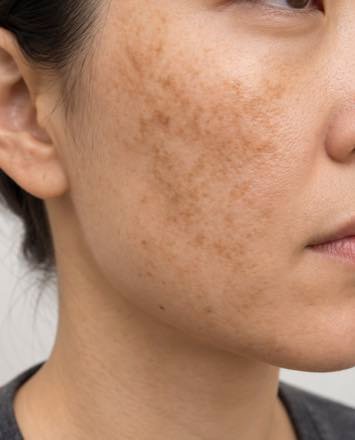 BeforeFor illustration only
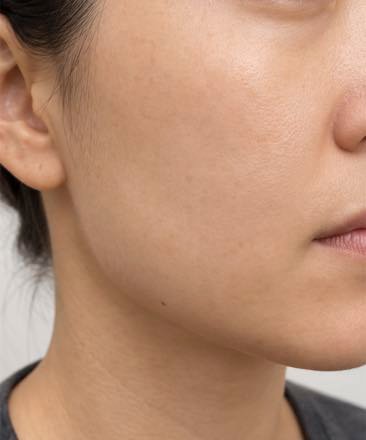 AfterFor illustration only
Illustrative example, not an actual patient result. Melasma is managed gradually and individual results vary.
Rather talk it through first? Message us on WhatsApp about your melasma →
Frequently asked questions about melasma
Tap a question to expand.
Why does my melasma keep coming back?
Can melasma be cured permanently?
How long does melasma treatment take to show results?
Is laser treatment for melasma safe for Asian or darker skin?
Can I treat melasma during pregnancy or breastfeeding?
Does melasma go away on its own after pregnancy?
How is melasma different from freckles or normal dark spots?
How much does melasma treatment cost in Malaysia?
Break the cycle of trial and error
Gentle, doctor-led pigmentation care at a KKM (MOH) & LCP-certified clinic. Book a private consultation and we’ll build a plan around your skin.
Book a consultation Dr. A Clinic · TTDI, Kuala Lumpur & Sunway Geo, Subang
This article clearly explains why melasma often returns and highlights the importance of gentle, consistent treatment, sun protection, and professional medical guidance for long-term skin management.