

Skin boosters are intradermal injectables that improve skin quality rather than facial volume. This guide explains the main types available in Malaysia, how each works, and how a doctor decides which one suits your skin.
Key takeaways
- Skin boosters are classified by active ingredient: hyaluronic acid (HA), polynucleotides (PN/PDRN), collagen boosters, and autologous or regenerative preparations.
- Each acts differently. HA mainly improves hydration, polynucleotides support tissue repair, and collagen boosters stimulate new collagen gradually.
- Any brand fits one of these types. The active ingredient on the label tells you which, and what it is likely to do.
- Most protocols involve 2 to 4 sessions at 2 to 4 week intervals, followed by maintenance.
- They do not change facial contours. Volume loss and sagging need different treatments.
Which skin booster is best in Malaysia? The right skin booster depends on the clinical problem, not the brand. Dehydration, dullness and fine crepey lines respond best to hyaluronic acid boosters such as BELOTERO® Revive or SKINVIVE™. Sensitised skin, uneven texture and post-acne redness usually respond better to polynucleotides such as Rejuran® and Plinest®. Thin skin, enlarged pores and shallow acne scars may benefit from a PDLLA-HA hybrid such as Juvelook™. A doctor’s assessment determines the choice, and combination protocols are common.
What is a skin booster, and how does it differ from dermal filler?
A skin booster is injected into the dermis in small, thoughtfully spaced amounts depending on the skin condition (microdroplet or serial puncture technique) to improve hydration, elasticity, texture and tone. A dermal filler is a more cross-linked gel placed either beneath the skin or on the bone, to restore volume and contour.
A skin booster therefore will not lift the cheeks or correct hollows. It acts on the dermis itself: its water content, the extracellular matrix, and the fibroblasts that produce collagen and elastin.
What are the main types of skin booster?
Clinical reviews group skin boosters by active ingredient, because the ingredient determines the mechanism of action:
- Hyaluronic acid (HA) boosters: non-cross-linked or lightly cross-linked HA that binds water in the dermis and supports fibroblast activity. Profhilo® uses stabilised complexes of high and low molecular weight HA, injected at five Bio Aesthetic Points (BAP) on each side of the face. SKINVIVE™ by JUVÉDERM® and BELOTERO® Revive are lightly cross-linked HA. NCTF® 135 HA combines non-cross-linked HA with vitamins, amino acids and coenzymes.
- Polynucleotides (PN/PDRN): highly purified DNA fragments, derived from salmon (Rejuran®) or trout (Plinest®). They stimulate fibroblasts, support tissue repair and have anti-inflammatory effects. Dr. A™ Premium PDRN belongs to this group.
- Collagen boosters: formulations that stimulate the skin’s own collagen production. Juvelook™ is a PDLLA-HA hybrid: poly-D,L-lactic acid (PDLLA), a biodegradable collagen stimulator, combined with HA. The HA gives early hydration, while the PDLLA stimulates new collagen over the following months. Linerase contains heterologous type I collagen, which provides a framework that activates fibroblasts. Dr. A™ Collaboost, our in-house collagen booster, is also collagen-based and works on the same principle.
- Autologous and regenerative preparations: Dr. A™ Signature PRF is prepared from your own blood and delivers concentrated platelet-derived growth factors. Exosome preparations such as ASCE+ are the newest category.
How do you tell which type a skin booster brand is?
New brands appear every year, but they are built on a small number of active ingredients. Once you know the ingredient, you know the type, the likely mechanism and roughly what to expect. Look for it on the box or product insert, or ask your doctor directly.
| If the label lists | It is | Mainly does |
|---|---|---|
| Hyaluronic acid or sodium hyaluronate (non-cross-linked or lightly cross-linked) | HA booster | Hydration, elasticity |
| HA with amino acids, vitamins or antioxidants | HA booster with added nutrients | Hydration, support for collagen synthesis |
| Polynucleotides (PN), polydeoxyribonucleotide (PDRN) or “DNA” | Polynucleotide | Repair, anti-inflammatory |
| Poly-D,L-lactic acid (PDLLA) or polycaprolactone (PCL) in a dermal formulation | Collagen booster | Gradual collagen production |
| Type I collagen | Collagen booster | Framework that supports new collagen |
| Platelet-rich plasma (PRP) or fibrin (PRF), or exosomes | Autologous or regenerative | Growth factor and cell-signal support |
| Calcium hydroxylapatite (CaHA), poly-L-lactic acid (PLLA) or cross-linked HA for volume | Not a skin booster: biostimulator or filler | Structure, volume, contour |
Common brands you may see in Malaysia and the region, grouped by type:
| Brand (manufacturer) | Type | Key ingredients |
|---|---|---|
| Profhilo® (IBSA) | HA booster | High and low molecular weight HA in thermally stabilised hybrid complexes, without chemical cross-linkers |
| SKINVIVE™ by JUVÉDERM®, sold as JUVÉDERM® VOLITE in some markets (Allergan Aesthetics) | HA booster | Lightly cross-linked HA with lidocaine |
| Restylane® Skinboosters Vital and Vital Light (Galderma) | HA booster | Lightly cross-linked (stabilised) HA |
| BELOTERO® Revive (Merz Aesthetics) | HA booster | Lightly cross-linked HA with glycerol |
| TEOSYAL® Redensity 1 (Teoxane) | HA booster with nutrients | Non-cross-linked HA with amino acids, antioxidants, minerals and vitamin B6 |
| NCTF® 135 HA (Fillmed, formerly Filorga) | HA booster with nutrients | Non-cross-linked HA with vitamins, amino acids, minerals and coenzymes |
| Jalupro® and Sunekos® (Professional Derma) | HA booster with nutrients | Amino acids with HA |
| Rejuran® Healer, HB, S and I (PharmaResearch) | Polynucleotide | Salmon-derived PN; Rejuran® HB also contains HA and lidocaine, and Rejuran® I is formulated for the eye area |
| Plinest® and Newest® (Mastelli) | Polynucleotide | Trout-derived PN; Newest® also contains HA |
| Nucleofill® (Promoitalia) | Polynucleotide | PN |
| Dr. A™ Premium PDRN | Polynucleotide | PDRN |
| Juvelook™ (VAIM) | Collagen booster | PDLLA with HA |
| Linerase | Collagen booster | Heterologous type I collagen |
| Dr. A™ Collaboost | Collagen booster | Type I collagen-based in-house formulation |
| Gouri™ (Dexlevo) | Collagen booster | Liquid polycaprolactone (PCL), without microparticles |
| Dr. A™ Signature PRF, PRP | Autologous | Your own platelets and growth factors |
| ASCE+ and other exosome products | Regenerative | Exosomes |
| Radiesse® (Merz), Sculptra® (Galderma), Profhilo® Structura (IBSA) | Not skin boosters | CaHA, PLLA and HA respectively, placed deeper for structure |
Brands are listed for identification only and are not all offered at Dr. A Clinic. Formulations and names vary by country. Injectable products sold in Malaysia must be registered with the relevant authority (the Medical Device Authority for devices), so ask your doctor to confirm the product used is registered.
How soon do results appear, and how long do they last?
- HA boosters: improved hydration and radiance usually appear within 2 to 4 weeks of completing the course. Clinical data show effects lasting up to 6 months for SKINVIVE™ and up to 9 months for BELOTERO® Revive in dry skin, and Profhilo® is typically maintained every 6 months.
- Polynucleotides: texture and tone improve progressively over the course, and results are generally maintained for 6 to 12 months.
- Collagen boosters: collagen remodelling becomes visible over 2 to 3 months, with maintenance every 6 to 12 months.
Indicative results timeline
Indicative ranges after a complete initial course, based on manufacturer data and published studies. Individual results vary.
How do you know which skin booster you need?
At consultation, the doctor assesses:
- Hydration and barrier function: tightness, dullness and fine crepey lines suggest dehydration. Redness, reactivity and slow healing suggest a compromised barrier.
- Skin thickness and texture: thin skin, enlarged pores and shallow atrophic scars indicate a need for collagen stimulation.
- Medical history: pregnancy, allergies, medication and any active skin infection or inflammation.
- Other treatments: timing in relation to lasers, energy-based devices and other injectables.
| Presentation | Usually indicated |
|---|---|
| Dehydrated, dull skin with fine crepey lines | HA booster (SKINVIVE™, BELOTERO® Revive) |
| Early laxity with crepey texture on the cheeks or neck | HA booster, often Profhilo® |
| Sensitised, reactive skin or post-acne redness | Polynucleotide |
| Fine lines and thin skin under the eyes | Polynucleotide formulated for the eye area (Plinest® Fast) |
| Enlarged pores, shallow acne scars, thinning skin | Collagen booster (Juvelook™, Linerase, Dr. A™ Collaboost) |
| Recovery after laser or microneedling | PRF or a regenerative adjunct |
| Volume loss or visible sagging | Not a skin booster: filler, biostimulator or lifting treatment |
“Product choice should follow diagnosis. There is no one-size-fits-all solution in aesthetic medicine. We first establish the main and underlying problem, and only then select the product and protocol to achieve the ultimate goal.”
Dr Ariel Chang (MD), reviewing physician
Skin boosters compared side by side
| HA boosters | Polynucleotides | Collagen boosters | PRF, exosomes | |
|---|---|---|---|---|
| Examples | Profhilo®, SKINVIVE™, BELOTERO® Revive, NCTF® 135 HA | Rejuran®, Plinest®, Dr. A™ Premium PDRN | Juvelook™, Linerase, Dr. A™ Collaboost | Dr. A™ Signature PRF, ASCE+ |
| Primary action | Hydration, elasticity | Repair, anti-inflammatory | Collagen stimulation | Growth factor support |
| Typical protocol | 1 to 3 sessions, about 4 weeks apart | 3 to 4 sessions, 2 to 4 weeks apart | Usually 3 sessions, about 4 weeks apart, depending on the product | Usually a short course, often with microneedling |
| Onset | 2 to 4 weeks | Progressive over the course | 2 to 3 months | Gradual |
| Common, temporary effects | Small bumps for 24 to 48 hours, occasional bruising | Bumps, swelling or bruising for 2 to 5 days | Bumps or redness for 1 to 3 days | Mild redness and swelling |
Can skin boosters be combined with other treatments?
Yes. Because each type acts on a different aspect of skin quality, combination protocols are common:
- Polynucleotides with HA for skin that is both sensitised and dehydrated. Some products, such as Rejuran® HB+, already combine the two.
- Plinest® with Pico laser for melasma, where reducing inflammation supports pigment treatment (see our melasma guide).
- Rejuran® S with PRF for atrophic acne scarring.
- Juvelook™ or exosomes with Derma Shine® Pro, an automated injector that delivers a consistent depth and dose across the face.
Boosters are usually scheduled at an interval from laser and energy-based treatments. Your doctor will set the sequence.
Not sure whether your skin needs hydration, repair or collagen stimulation?
Book a doctor’s assessment →How much do skin boosters cost in Malaysia?
Prices in Kuala Lumpur and the Klang Valley vary with the product, the number of syringes and the treatment area.
| Treatment | Est. price in KL |
|---|---|
| Basic HA skin booster (per session) | From about RM600 |
| Profhilo® (per session) | RM1,800 to RM3,500 |
| SKINVIVE™ by JUVÉDERM® (per session) | RM1,500 to RM2,800 |
| BELOTERO® Revive (per session) | RM1,900 to RM3,000 |
| Rejuran® Healer (per session) | RM1,200 to RM3,000 |
Estimates based on published KL clinic prices, November 2026. Your actual quote is confirmed after a doctor’s assessment.
What changes the price?
The product type (polynucleotides and collagen boosters generally cost more than basic HA), the number of syringes or vials, the treatment area (face, neck, eyes or hands) and the number of sessions in the protocol.
Before comparing quotes, ask: “Which product, and how many syringes per session?” A lower price per session may reflect a smaller volume or a product that is not genuine.
Considering a skin booster for the first time?Ask us on WhatsApp about this month’s first trial offer.
Are skin boosters safe, and who should avoid them?
Performed by a trained doctor with genuine products, skin boosters have a favourable safety profile. Most side effects are mild and temporary: swelling, redness, small bumps at the injection points, itching and bruising.
Treatment is usually postponed or avoided in:
- Pregnancy and breastfeeding.
- Known allergy to an ingredient, including fish-derived polynucleotides or lidocaine.
- Bleeding disorders or blood-thinning medication, which increase bruising. Never stop prescribed medication without your doctor’s advice.
- Active autoimmune disease, which needs individual assessment.
What to expect at Dr. A Clinic
Every skin booster at Dr. A Clinic is assessed, planned and performed by our doctors. See our doctors in action:
- Fully KKM (MOH) & LCP-certified aesthetic clinic
- Authentic products from authorised suppliers only, such as Rejuran®, Profhilo®, Juvelook™, SKINVIVE™ and BELOTERO® Revive
- Every treatment performed by a doctor
- Rated Excellent across 674+ Google reviews
What results can a skin booster achieve?
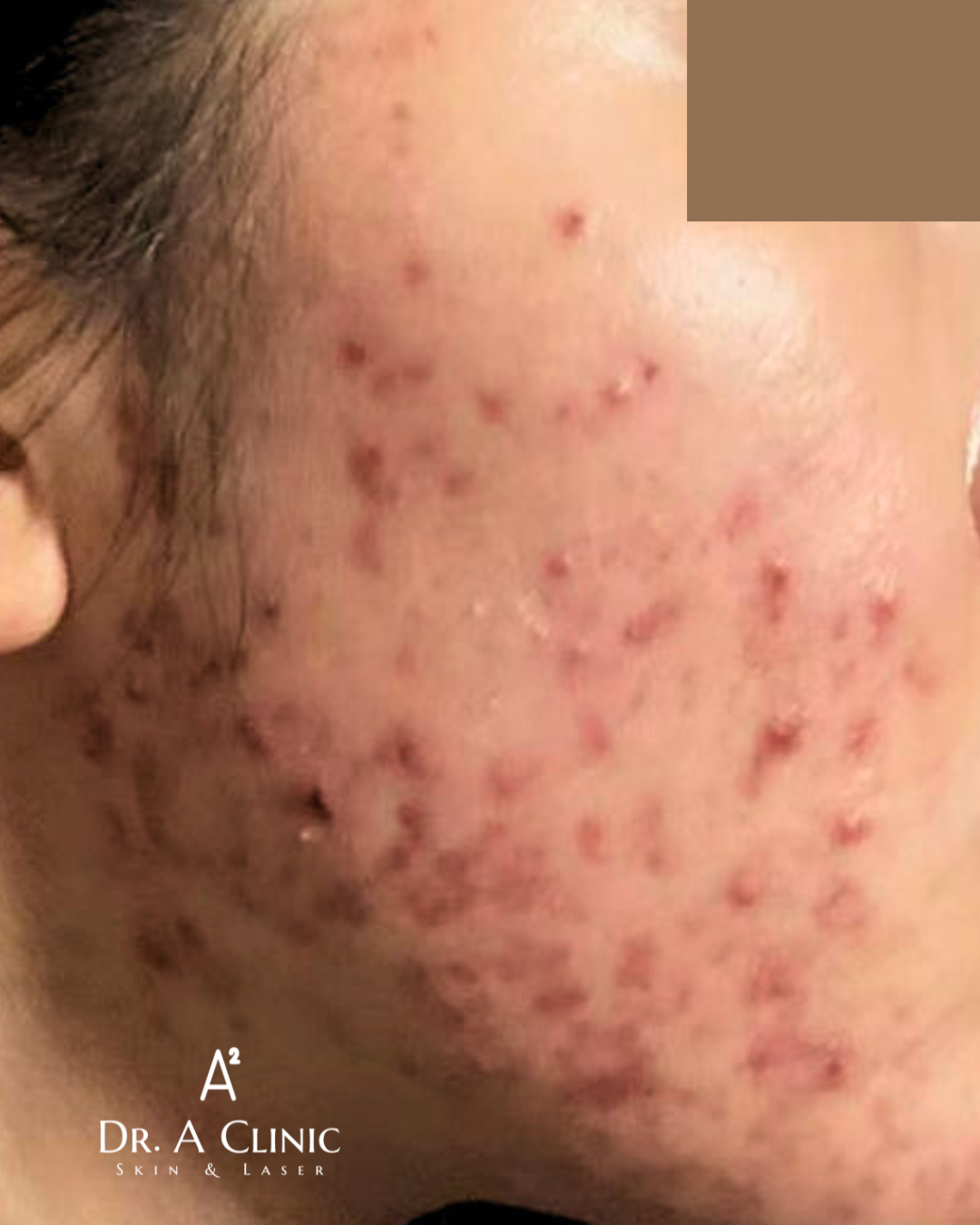 BeforeFor illustration only
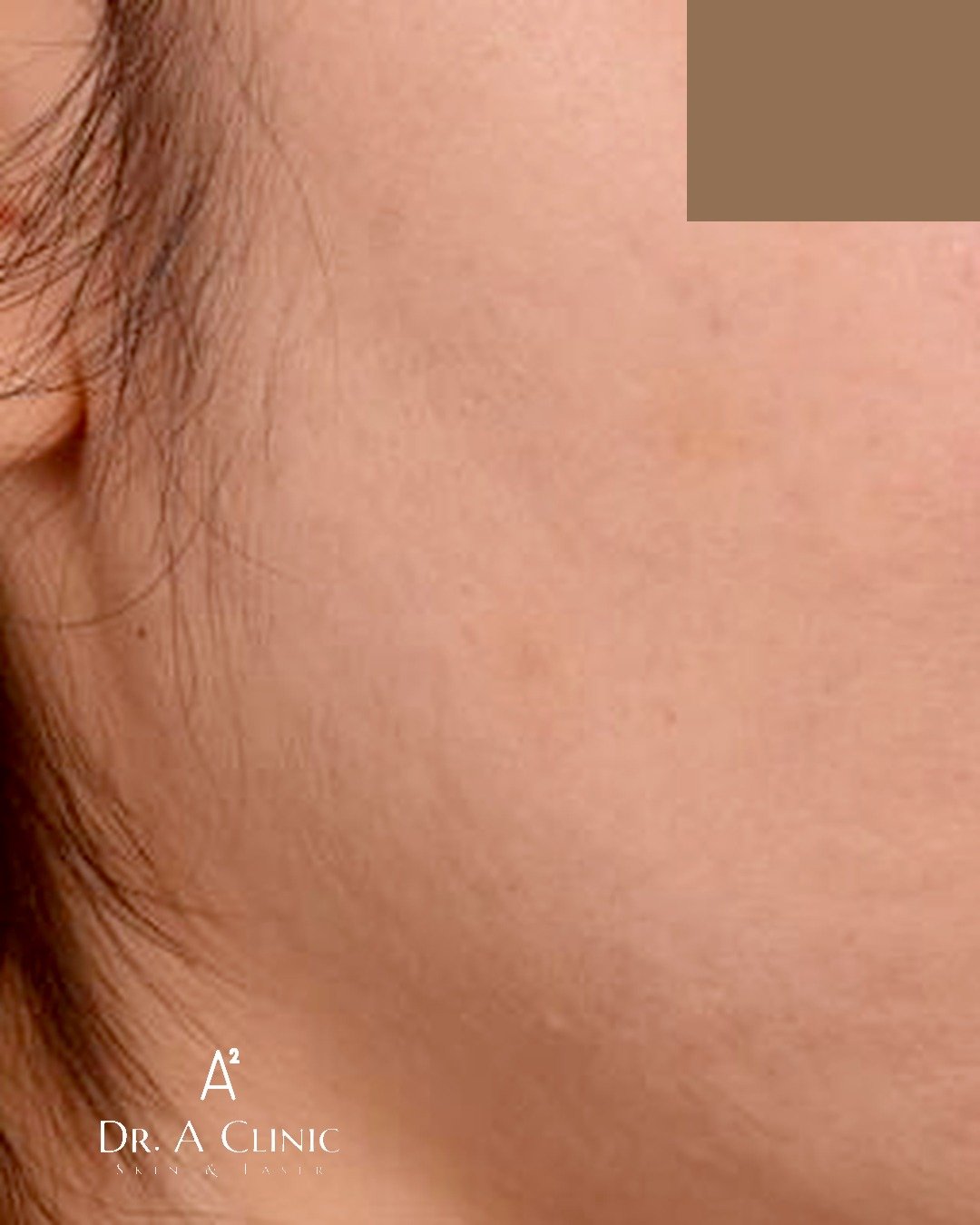 AfterFor illustration only
Improvement in skin texture and redness after Rejuran® at Dr. A Clinic. Patient consent obtained. Shown for illustration; individual results vary (效果因人而异).
Have a question about skin boosters?
WhatsApp usSkin booster questions most guides don’t answer
Will a skin booster make my face look puffy or change its shape?
Can a skin booster be done on the same day as Botox or filler?
Do I need to stop tretinoin or exfoliating acids before a skin booster?
Is a skin booster the same as the “water glow” injection (水光针)?
Do I still need skincare after a skin booster?
Can I fly or travel after a skin booster?
At what age should I start skin boosters?
Are skin boosters suitable for men?
Find out which skin booster suits your skin
Doctor-led skin booster treatments at a KKM (MOH) & LCP-certified clinic. Book a consultation for a full skin assessment and a treatment plan made for you.
Book a consultation Dr. A Clinic · TTDI, Kuala Lumpur & Sunway Geo, Subang
Leave a Reply